
Engineering · Since 1996
Engineering first. For thirty years.
We did not start as a platform company. We started by making a vending machine take a card in 1999 — and kept solving the next hard problem, from custom boards and protocols to Android and cloud. The platform is what that engineering became.
Engineering First
The problem, then the product
Every layer of the platform exists because a real machine needed it. We are engineers before we are a vendor: we would rather understand your machine down to its control board than sell you a box and leave. That bias shows up in everything we ship.
-
We own the whole stack
From the board and the protocol on the machine to the cloud and the browser — one team, one mental model, no integration seams to hide behind.
-
Depth over breadth
We would rather do payment, telemetry and control properly on one platform than shallowly across ten. The focus is why it holds up in the field.
-
Built to last a hardware generation
Terminals change every few years; our software is designed so the platform outlives the device under it. Hardware changes — the platform remains.
How we got here
From embedded systems to cloud platforms
The same team followed the problem up the stack. Each step below was a real capability we had to build before the next one was possible — this is the path, not a marketing arc.
- Embedded Embedded systems The starting craft: firmware and real-time control on constrained hardware, where a dropped byte is a failed sale.
- Boards Custom electronics When off-the-shelf boards couldn't do the job, we designed our own — payment and control electronics built for the machine.
- Protocols MDB & Executive Speaking the machine's own language: MDB and Executive to the VMC, so the terminal controls the vend, not just the payment.
- Payment Payment electronics Two decades of acceptance — online cards, contactless, closed-loop, meal cards, QR — engineered into the machine, not bolted on.
- Android Android edge Hero Nexus: the control and payment logic moved onto Android at the edge, offline-first, updatable over the air.
- Cloud Cloud & browser QuadC and HERO: telemetry, fleet management and operations in the cloud and the browser, on top of everything below.
What we know deeply
The disciplines behind the platform
These are not buzzwords on a slide — they are the areas we have shipped in production for years. Any one of them is a conversation you can have with our engineers in detail.
On the record
Not just our word for it
"30 years" is easy to print on a slide. Ours is documented — in the trade press of the day, in an industry award, and by our customers in their own words. A few of the entries behind the timeline:
-
1998
Turkey's first homegrown Mobitex product
Turkey did not get mobile packet data until GPRS opened in March 2001. We were already moving wireless packet data from the field in 1998, on Mobitex — Ericsson's packet-data network — and Mobicom, the operator, gave us an award for the first homegrown product built on it. That is remote telemetry, a quarter-century ago.
An award to DMS Ltd. for developing the first homegrown product on Mobitex technology, 1998.
Mobicom Bilgi İletişim Hizmetleri A.Ş. — award plaque, 1998; this copy as published on our own site in 2000, via the Internet Archive 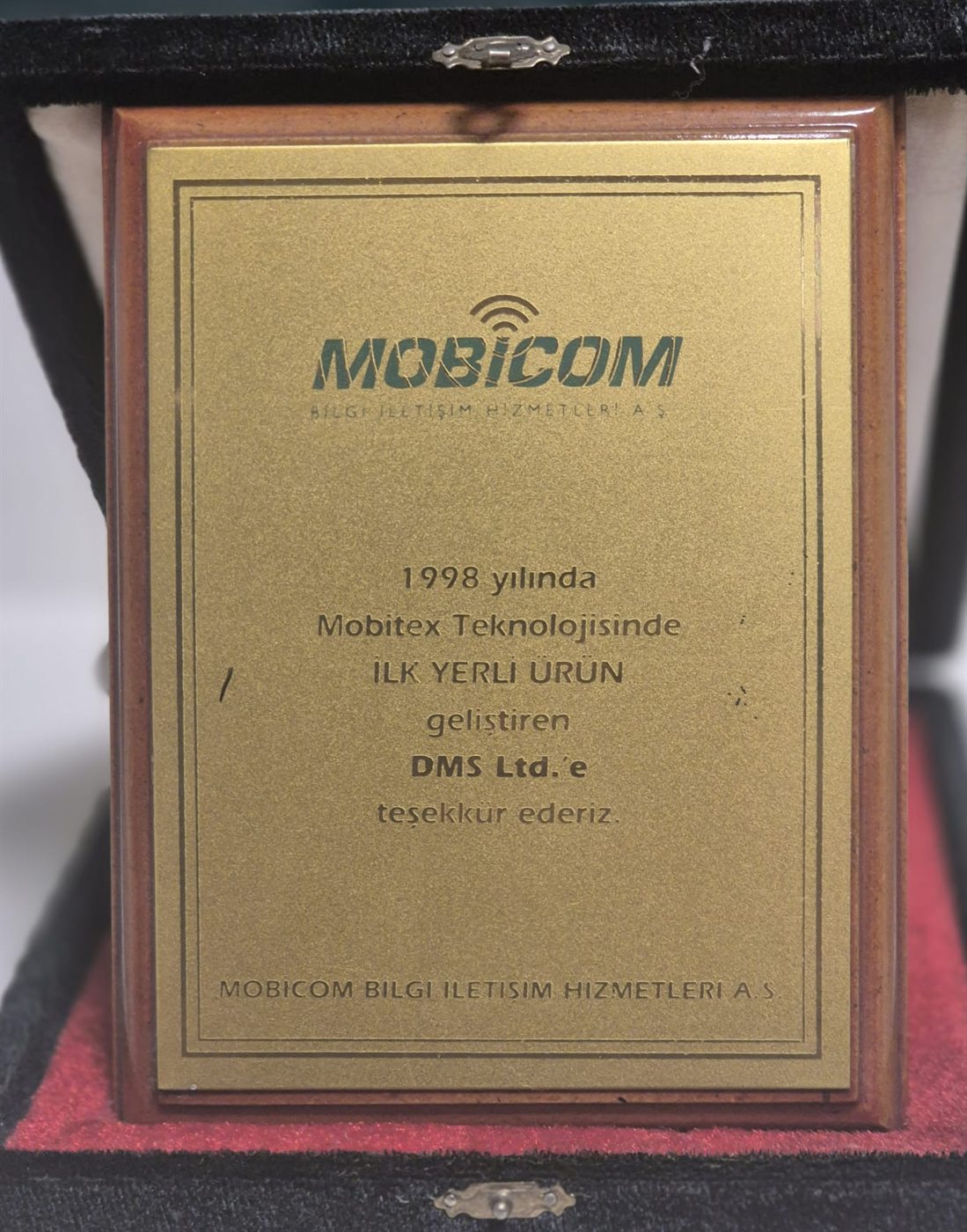
-
1999
A reporter looking for coins, and the machine that didn't need them
At the Bilişim '99 fair a journalist stood in front of a drinks machine, hunting through his pockets for change, before noticing he could pay by card. One of our founders showed him how; the queue that formed behind him made the photograph. He filed the story that evening — and it is the earliest dated, independent record that names us, written the same week the machine went to work.
"The system is the first credit-card drinks machine developed in Turkey. It is the product of a Turkish company, DMS Technologies … the main board, designed entirely by DMS, sends the data it reads from the card reader to the bank over a modem, puts the bank's answer on the display, and from then on takes control of the machine."
Mahir B. Aşut — BTnet, "Bilişim'99 Special", 19 December 1999 (translated from Turkish) 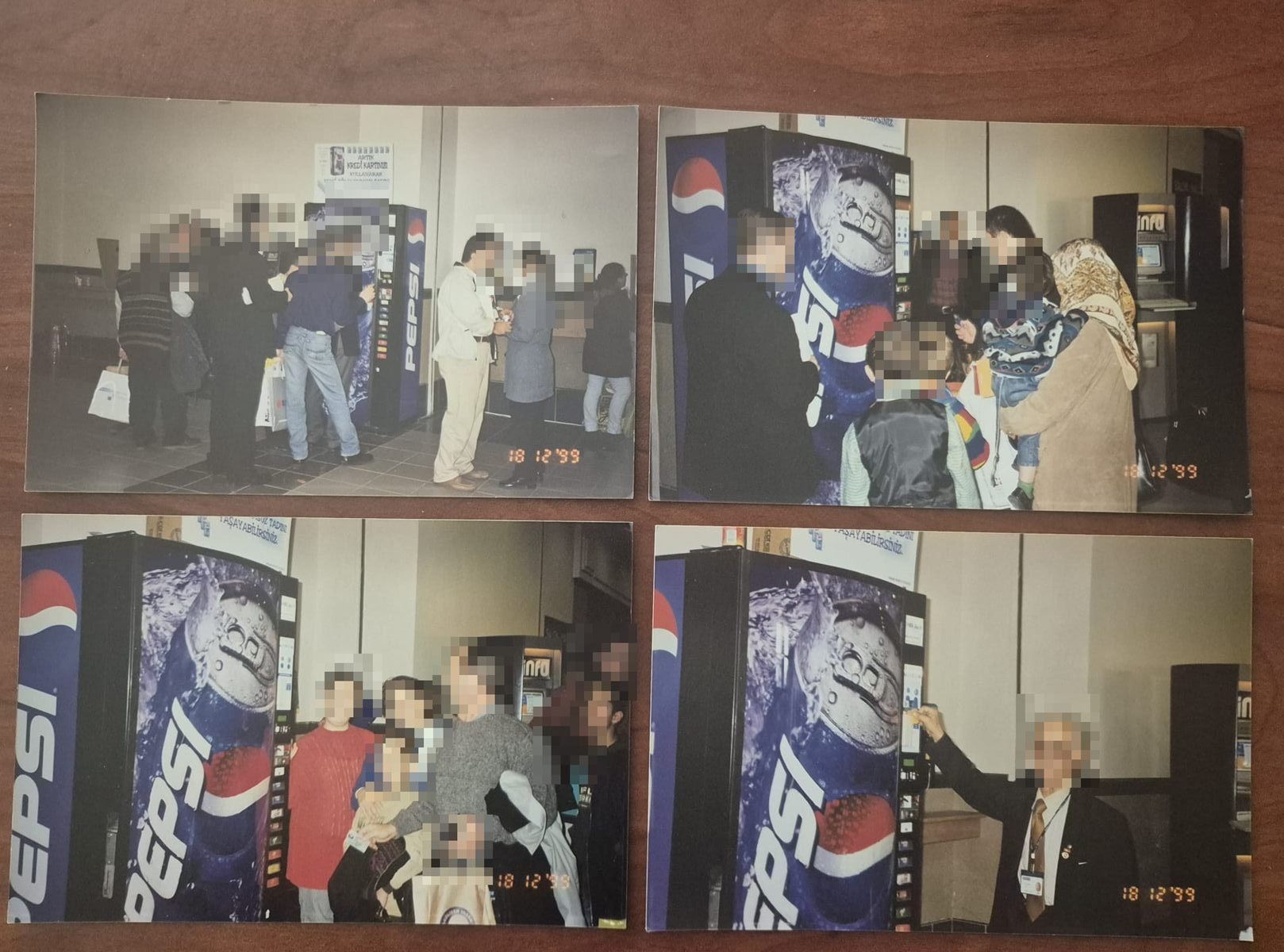
-
2000
Our own website already listed the whole platform
You can still read it on the Internet Archive. By December 2000 our site already listed what the platform does now: remote price change, promotions, sales and inventory control, automated and remote control of functions, routing, GPS — and card acceptance across smart cards, proximity (Mifare, Hitag), magnetic stripe, i-Button and U-Key. On the same page, the machines were never only vending: "we control electromechanical devices such as vending machines, taximeters, parking meters, turnstiles, doors, gasoline pumps." And it wasn't just talk: with Turkcell we ran GSM/SMS turnstiles that admitted visitors to the Bilişim 2000 fair, and built GPS fleet tracking and biometric access control alongside the vending work. Two years later the site added the line that still sums it up — remotely control your EXISTING vending machines.
dms-tech.com in December 2000, via the Internet Archive (Wayback Machine)
-
2000
A real-time kernel of our own, under four kilobytes
Designing the board is half the job; something has to run on it. We wrote that too. By late 2000 DMS-OS — our own real-time operating system — was in beta and published with its own spec sheet, aimed at third-party developers who wanted to build on our hardware. Read the numbers with an 8-bit microcontroller in mind: a preemptive kernel with round-robin scheduling, configurable while running, in under four kilobytes of ROM. It later carried across to the 32-bit generation of the same product line. This is the part of the work customers never see and competitors cannot copy quickly.
"Binary code takes less then 4kByte of ROM space. This makes it very suitable for even small microcontrollers. … The kernel is preemptive. The kernel supports Round-Robin scheduling. … Currently available for the MC68HC11 series."
dms-tech.com/os — the DMS-OS page, December 2000, via the Internet Archive -
2001
The first card-paying vending machines in Turkey, in the field
For Pepsi-Cola, we made vending machines accept VISA/MasterCard over a wireless network — no phone line — with sales buffered on the machine and settled with the bank. The independent trade press reported it as a Turkish first, engineered end to end by Turkish engineers.
"The system was built entirely in Turkey by Turkish engineers. The integration of the system was done by DMS tech."
Telepati magazine — June 2001 (translated from Turkish) 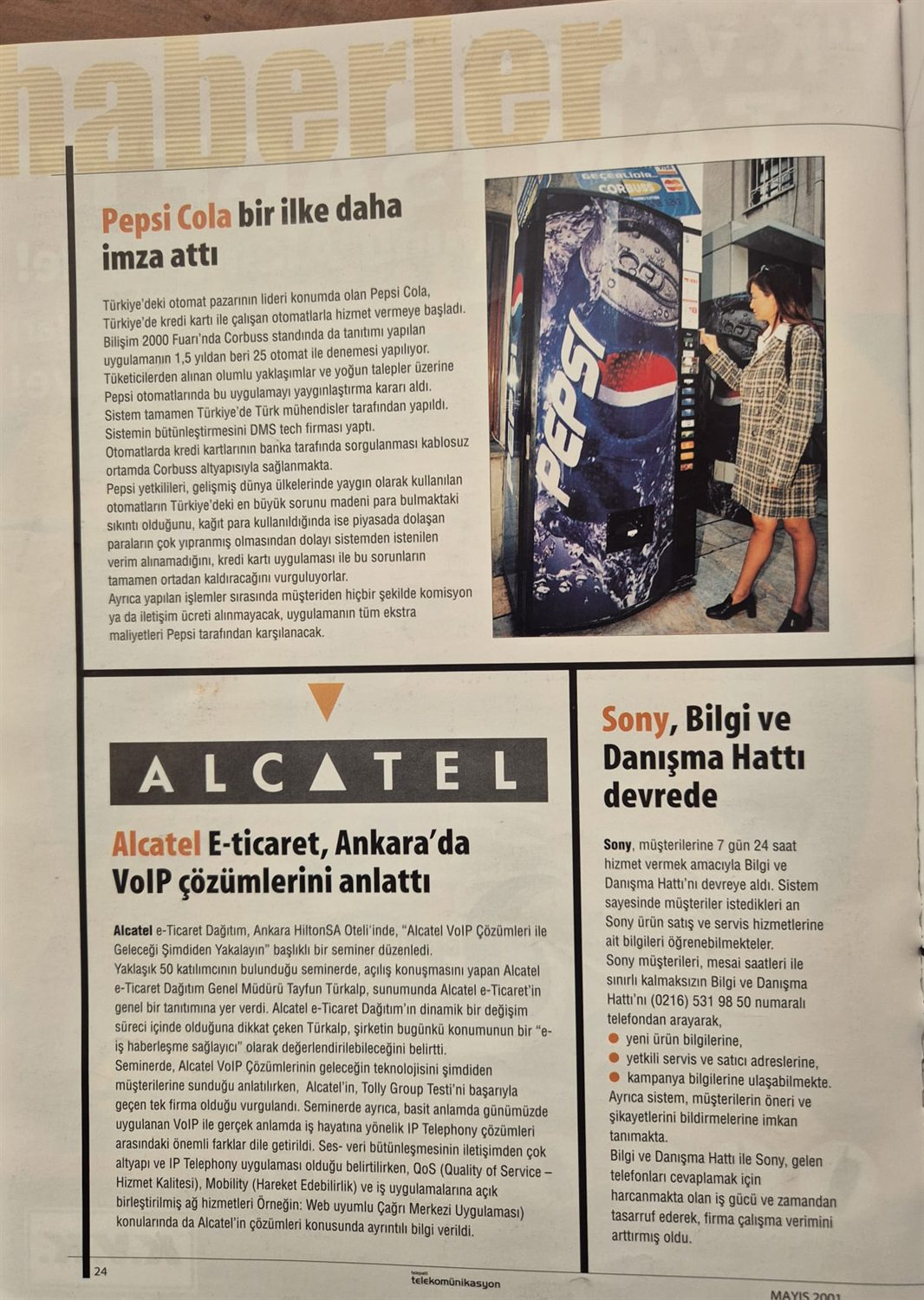
-
2003
Our name, printed on the machine itself
This wasn't a back-office contract nobody could see. The usage sticker on the Pepsi card-payment machines — the one a customer reads while paying, complete with WorldCard and loyalty-point support on Yapı Kredi Bankası's rails — put it in plain type at the bottom.
"Design and manufacture of the credit-card and mobile-phone mechanisms: DMS Tech. — www.dms-tech.com"
Pepsi credit-card vending machine — consumer usage card (translated from Turkish) 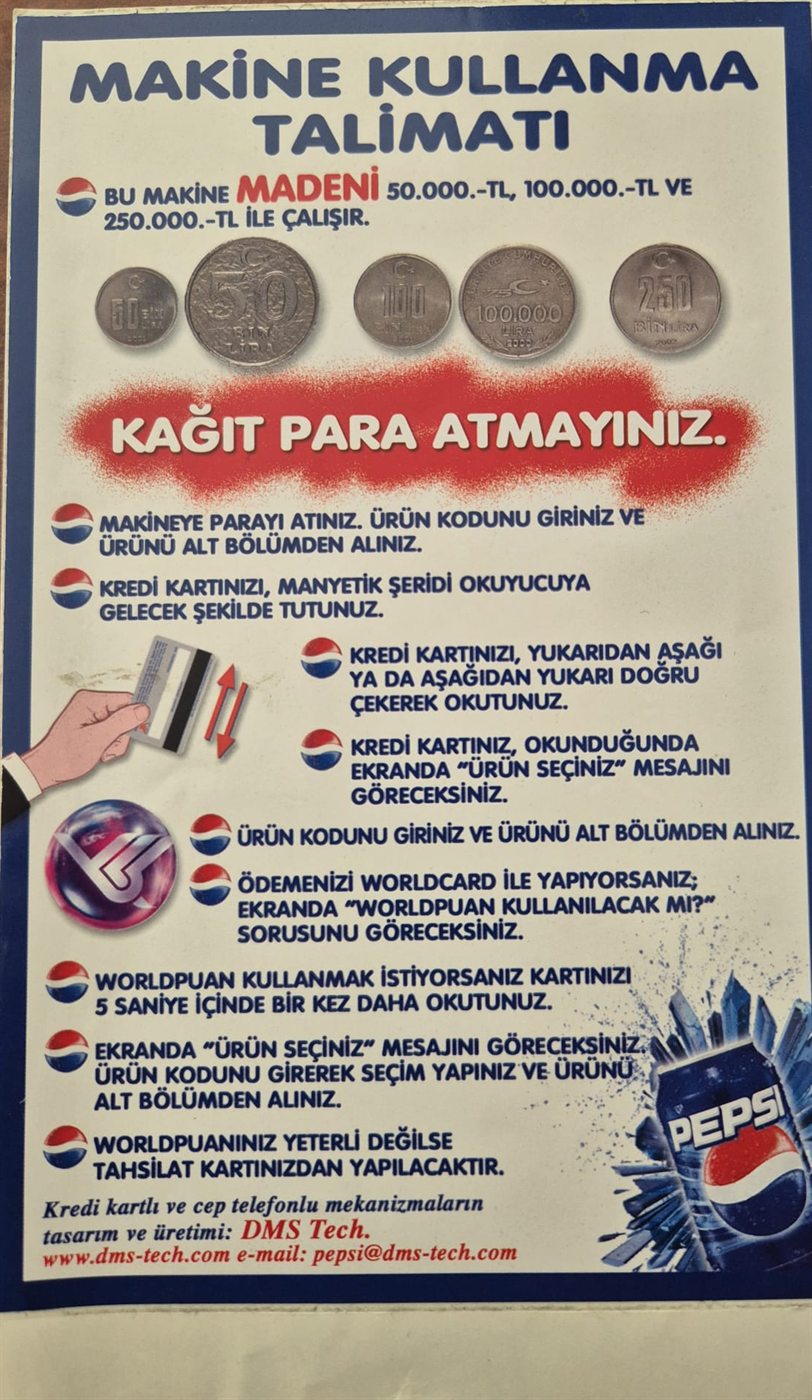
-
2005
We named QuadC
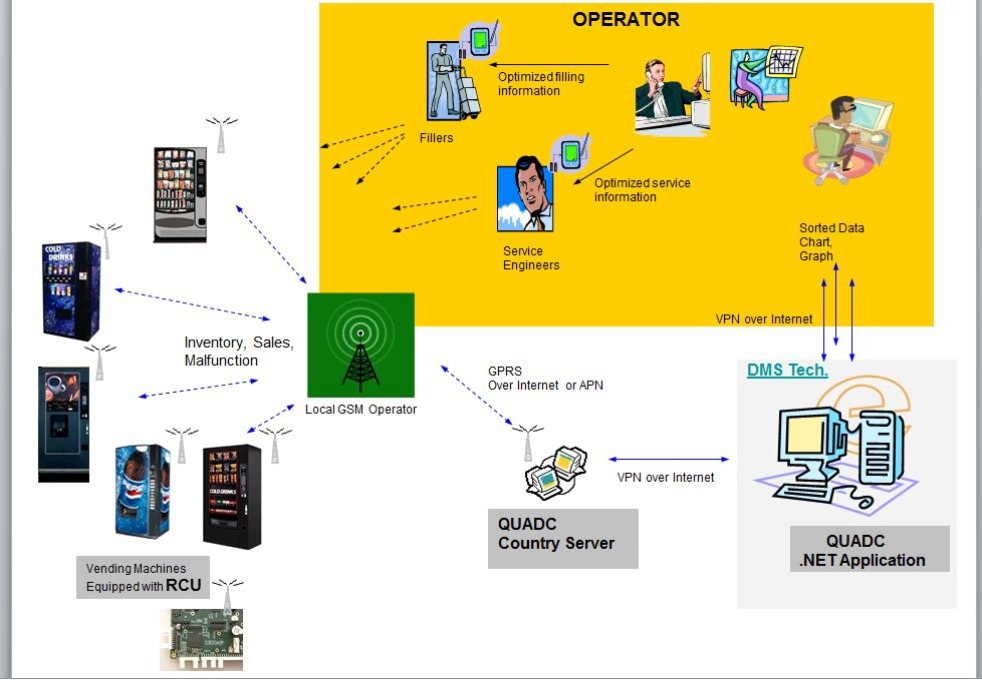
Our cloud reporting platform has carried the same name, QuadC, since 2005. The architecture we drew then — an in-machine unit over GSM/GPRS to a country server and a .NET application, feeding filling, service and sales reporting to operators — is the same backbone the platform runs on today. Not a rebrand; a continuous line.
DMS Tech — architecture record, 28 November 2005
-
2009
The customer, ten years on, said it themselves
This was never a one-off pilot. A decade after the first deployment, Pepsi Bottling Group's on-site consumption director put the relationship on record in the trade press — and named us.
"Since 1999 we have sold by credit card and mobile phone on our machines. We are the first and only company in Turkey using these systems. … we work with DMSTech for the card-payment mechanisms."
Reha Haznedaroğlu, Pepsi Bottling Group — Bizim Market magazine, August 2009 (translated from Turkish) 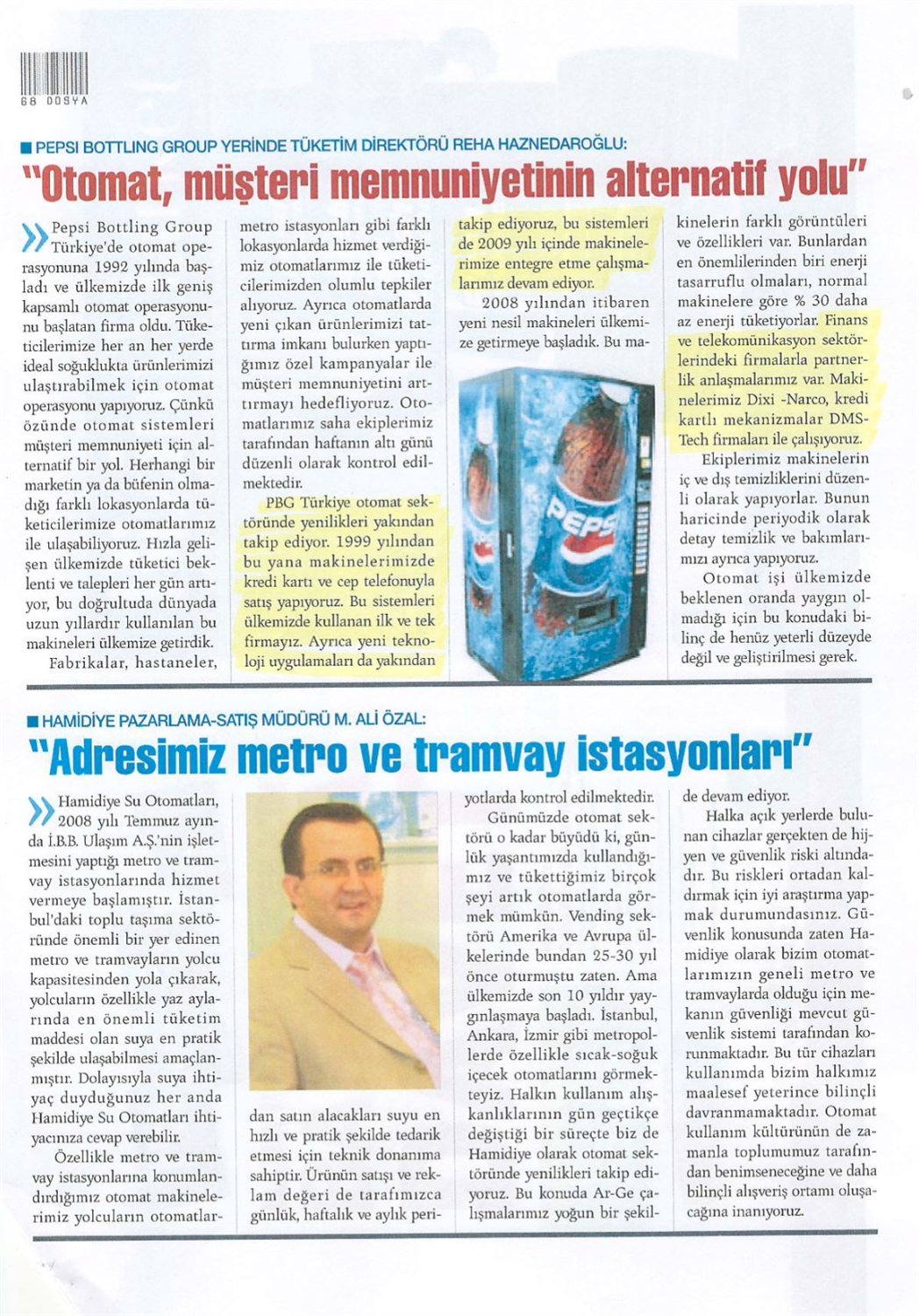
-
2019
On the city's own channel, in the field
You don't have to take our word for any of it. İstanbulkart's official channel — the operator of Istanbul's city card — filmed our payment device accepting İstanbulkart on İBB's Hamidiye water machines. Watch the screen just before the tap: it reads DMS Tech.
İSTANBULKART (Belbim) — "İstanbulkart'ı Hamidiye Su Otomatlarında Kullanabilirsiniz", YouTube
The archive
Straight from the box files
Award plaques, trade-press clippings, a customer's own brochure, machine cards and expo stands — the paper trail behind the timeline. Press pages are as published; personal photos have faces blurred.
-
1998 — Mobicom award plaque: the first homegrown Mobitex product.
-
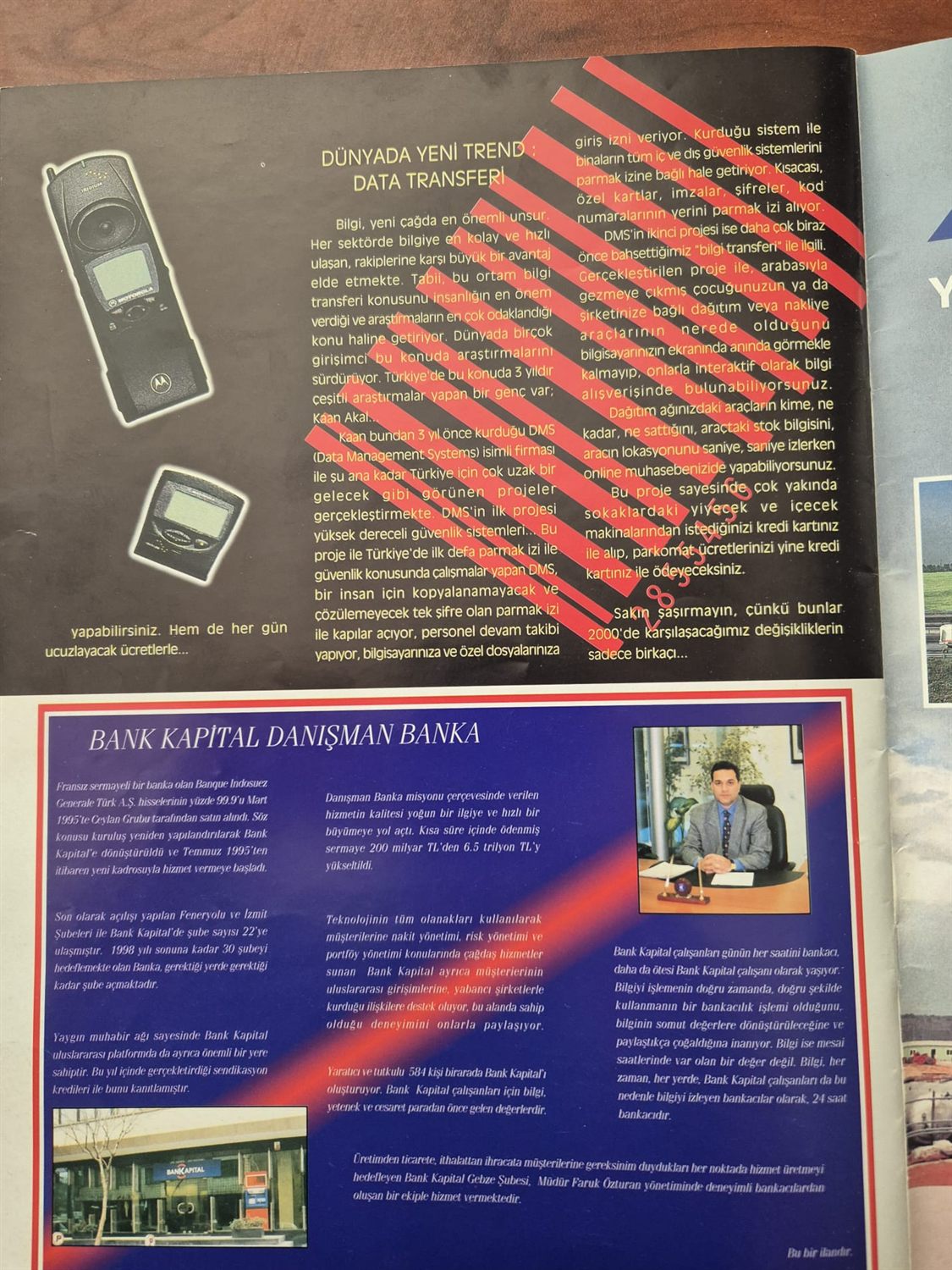 Jan 1999 — Gebze Chamber magazine profiles DMS (Data Management Systems).
-
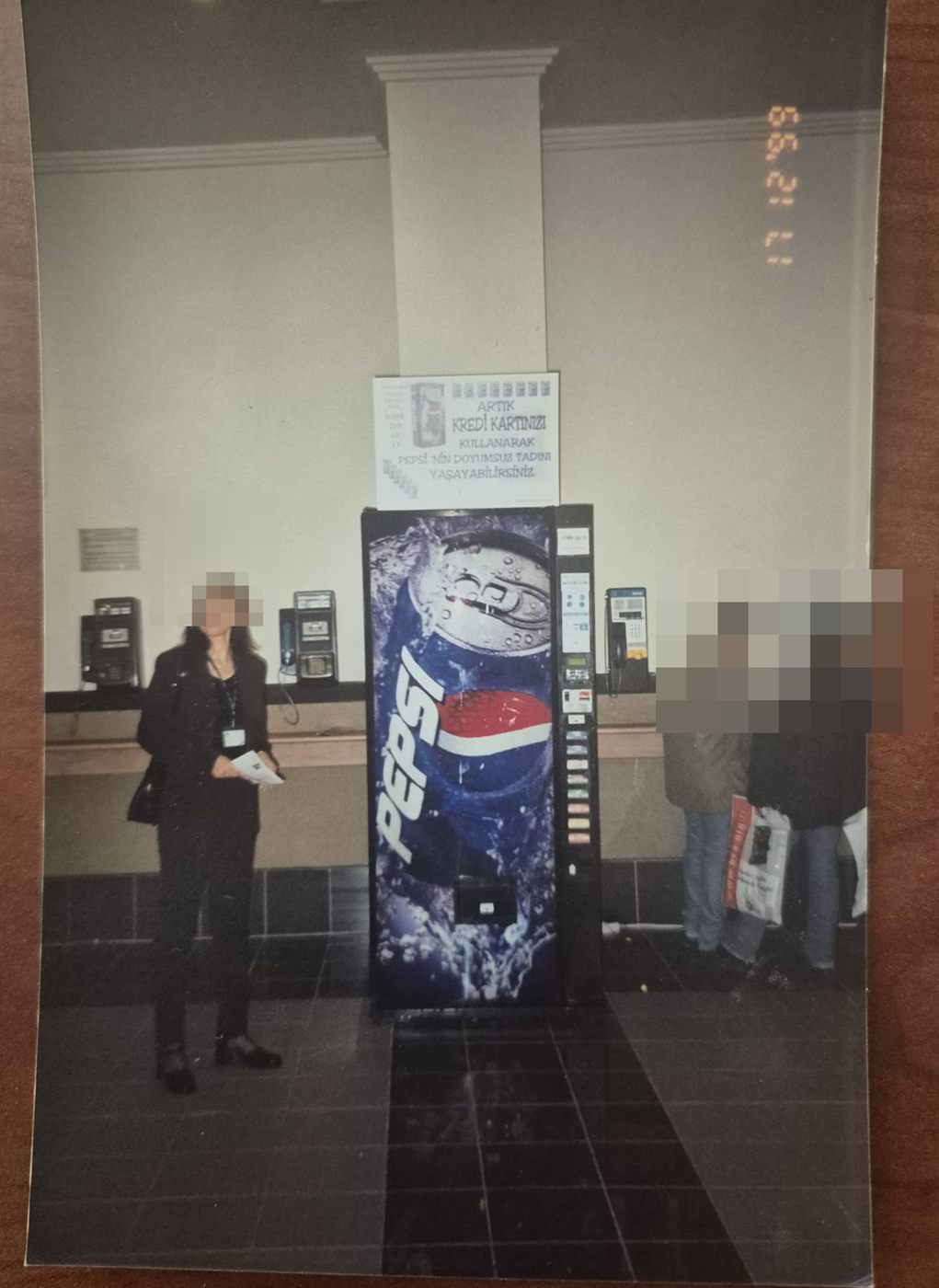 1999 fair — Turkey's first card-paying vending machine (faces blurred).
-
Dec 1999 — the credit-card Pepsi machine at the fair, four frames from the stand: "now, using your credit card…" (faces blurred).
-
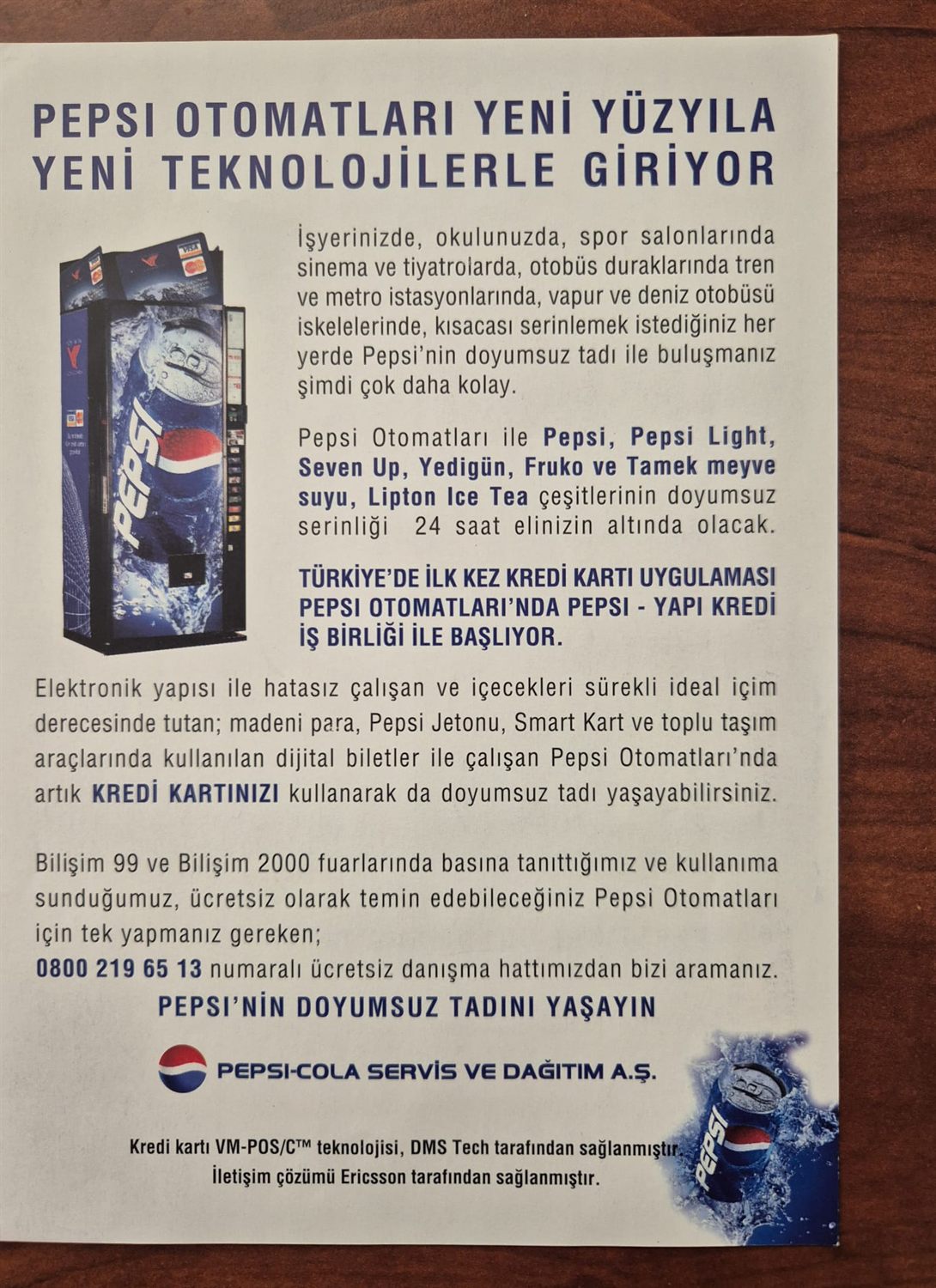 ~2000 — Pepsi's own brochure: "credit-card VM-POS/C technology by DMS Tech".
-
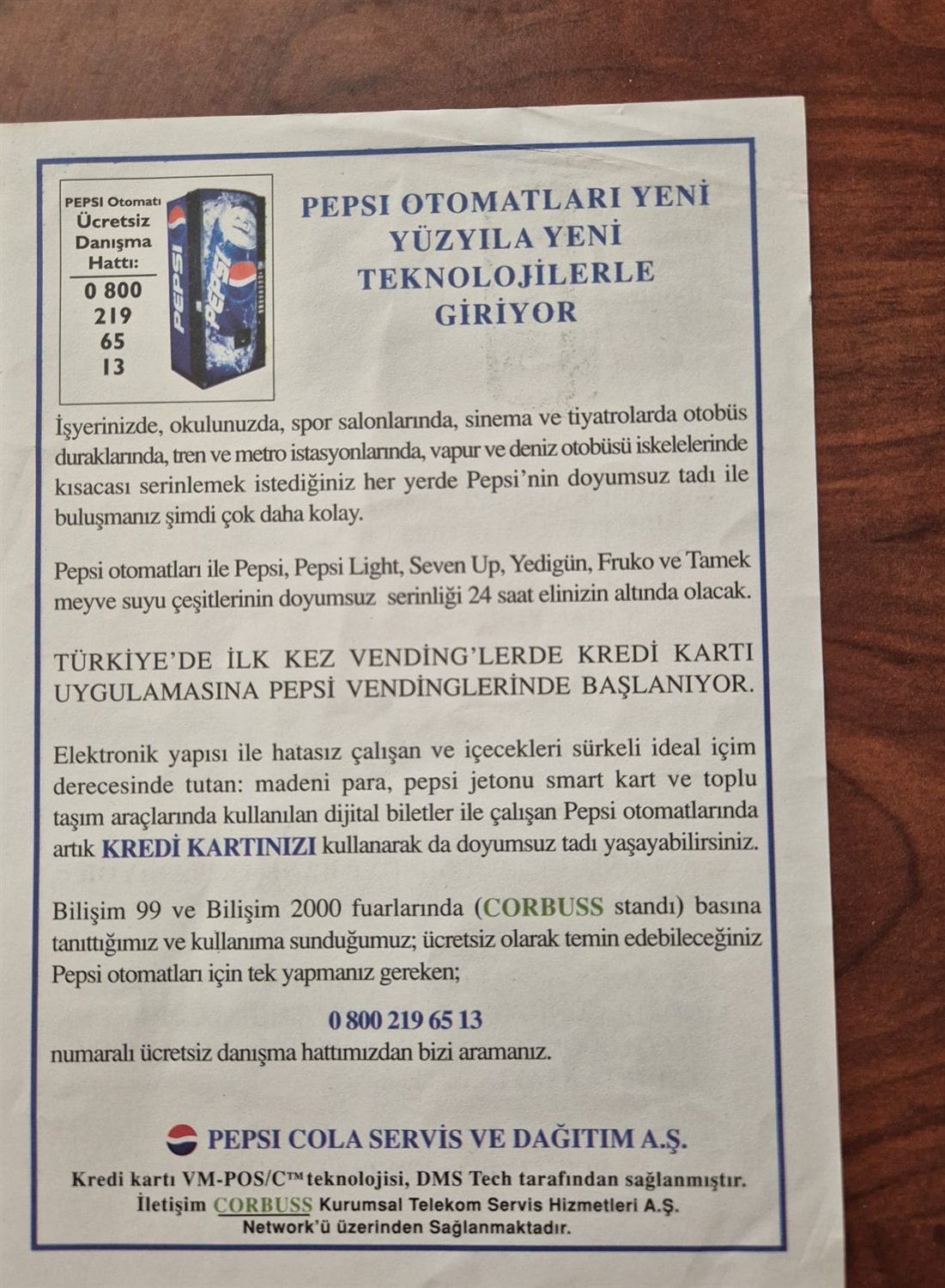 ~2000 — Pepsi brochure, second variant (Corbuss network).
-
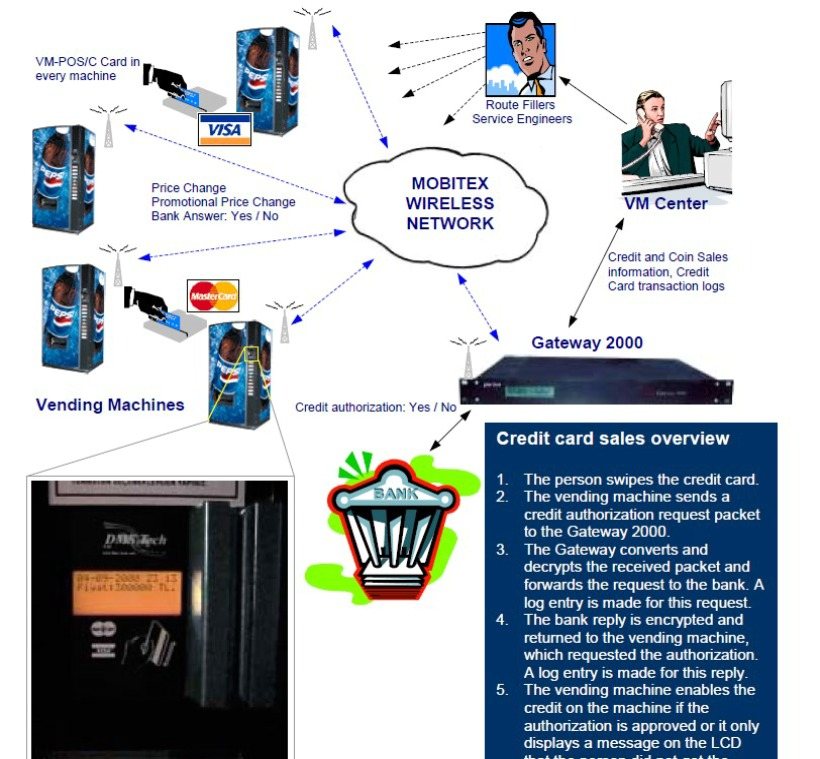 ~2000 — the VM-POS/C card-payment architecture: machine → Mobitex → Gateway 2000 → bank.
-
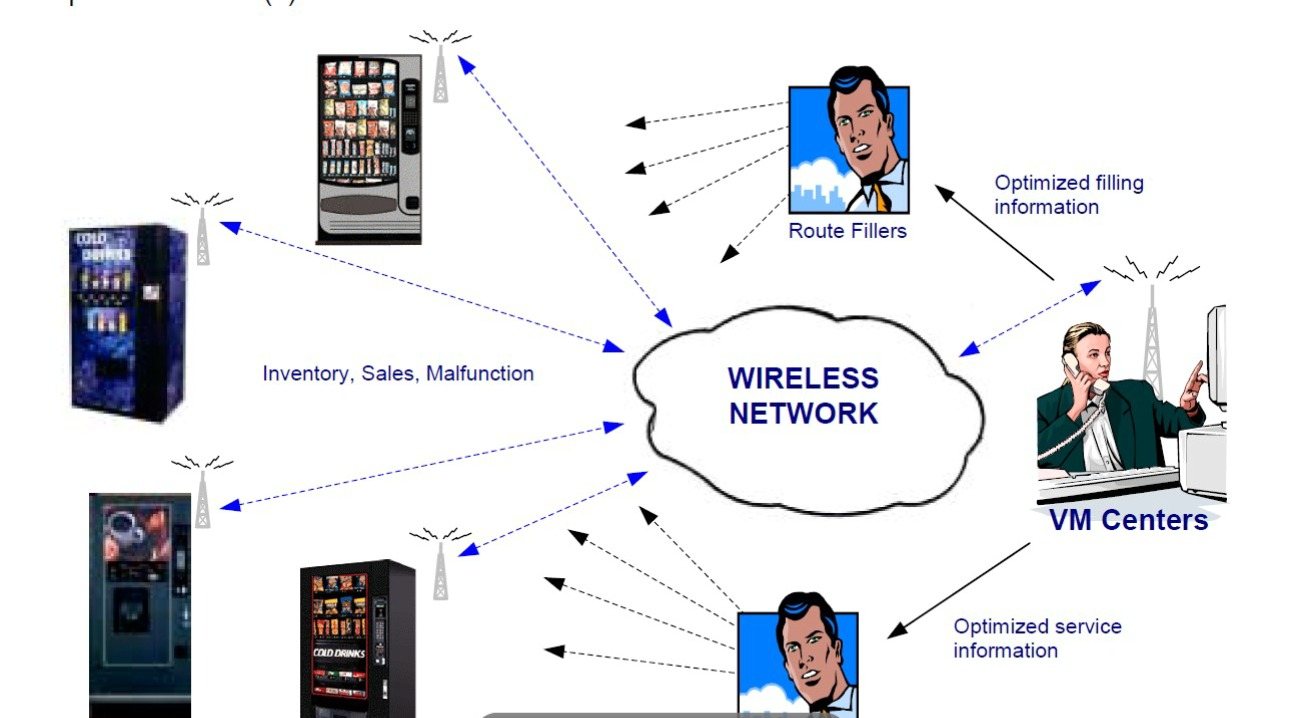
~2000 — the fleet-telemetry concept: machines → wireless network → operations centre.
-
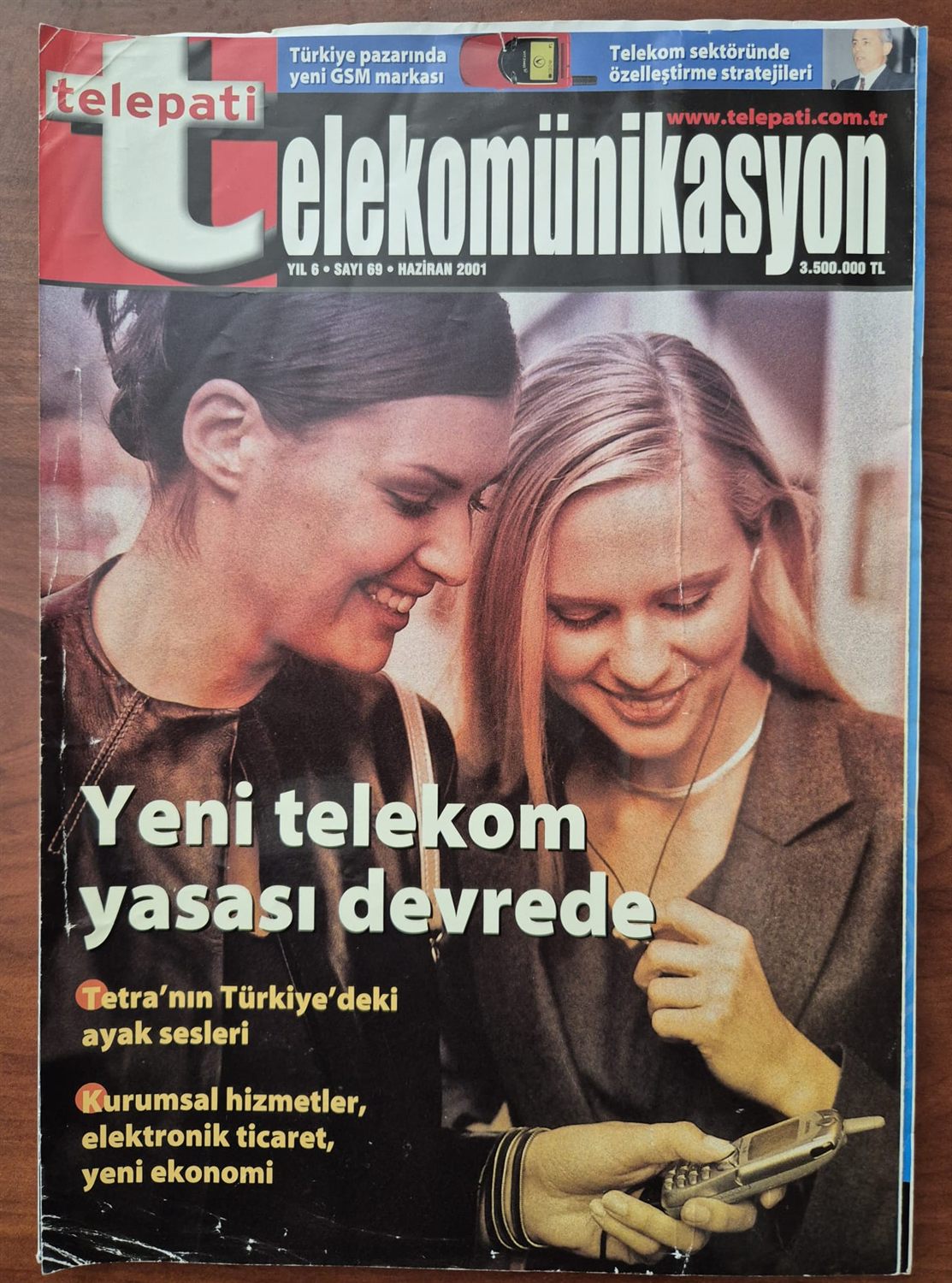 June 2001 — Telepati magazine cover (issue 69).
-
June 2001 — Telepati: the DMS-integrated Pepsi card vending news.
-
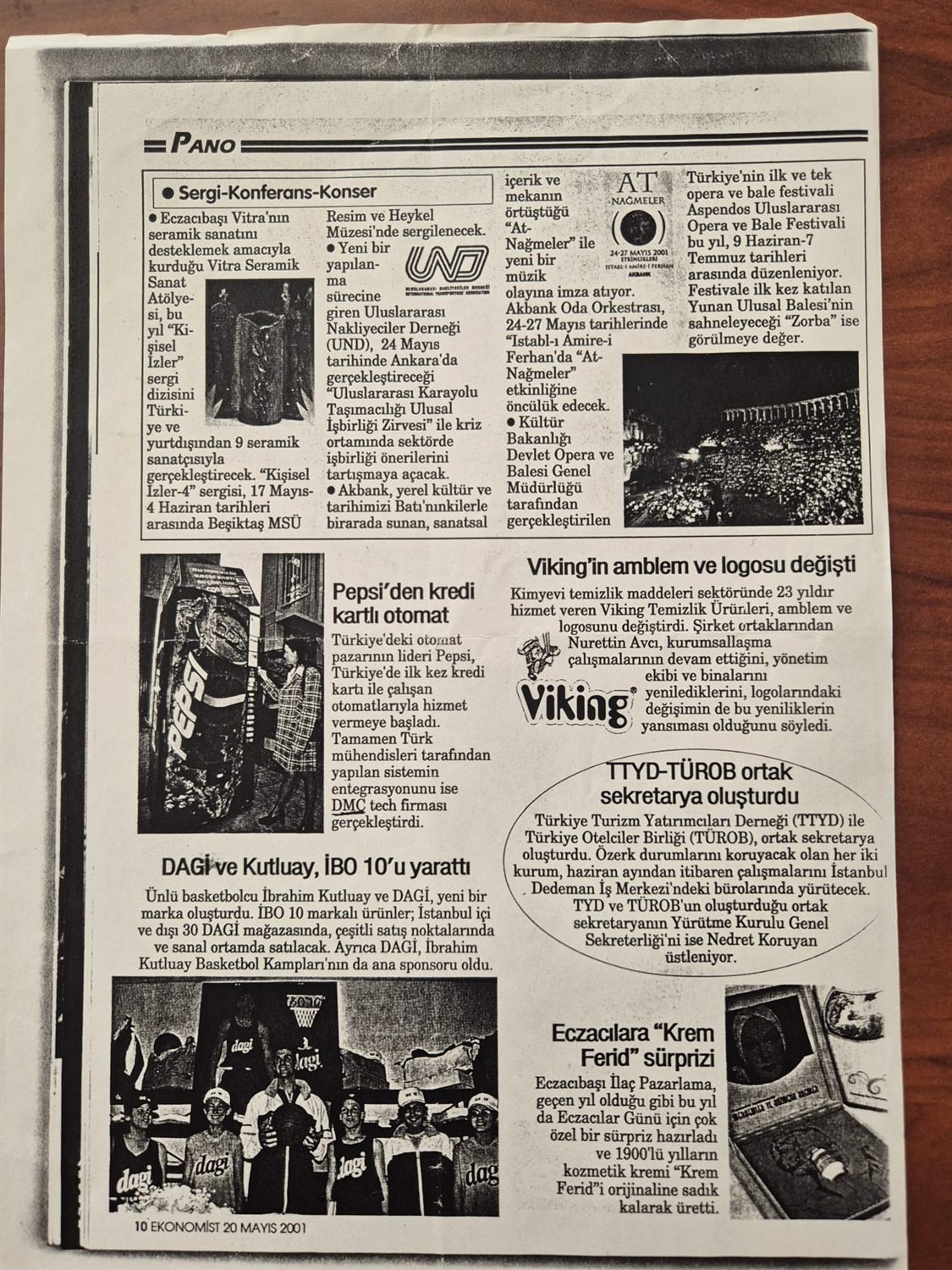 20 May 2001 — Ekonomist: "Turkey's first credit-card vending machine".
-
~2003 — Pepsi machine usage card crediting DMS Tech.
-
2005 — the QuadC architecture, labelled "DMS Tech · QUADC .NET Application".
-
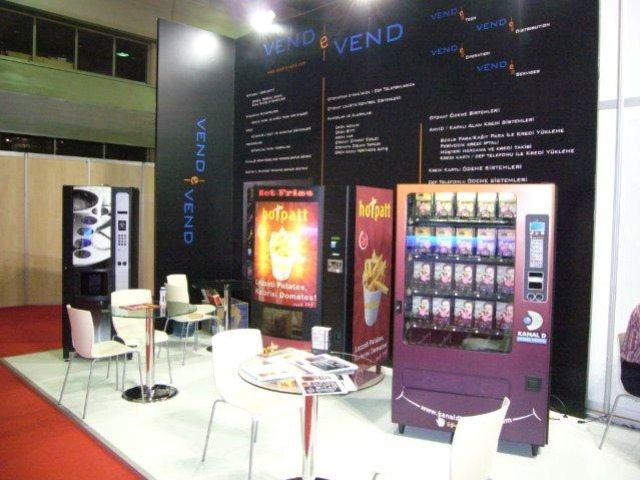 2007 Vending Expo — the VEND-e-VEND (DMS) stand.
-
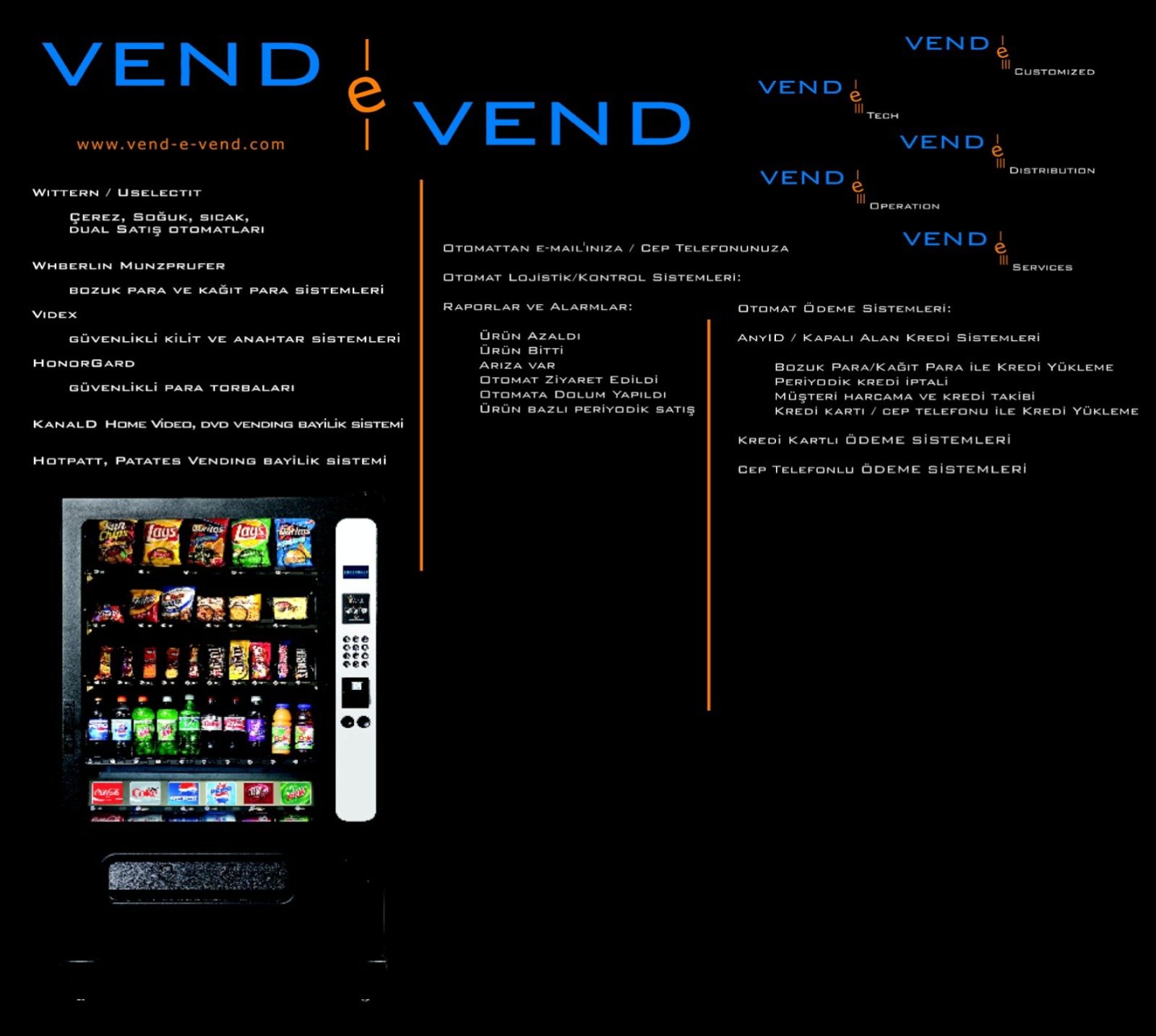 2007 — stand panels: telemetry, payment and product breadth.
-
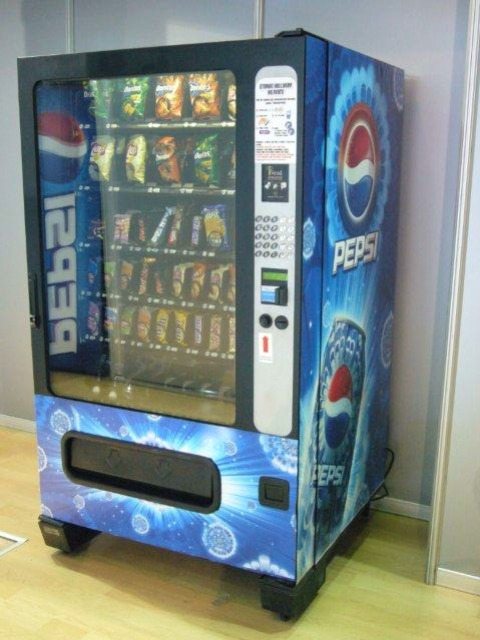 2007 — a Pepsi machine carrying our payment/control terminal.
-
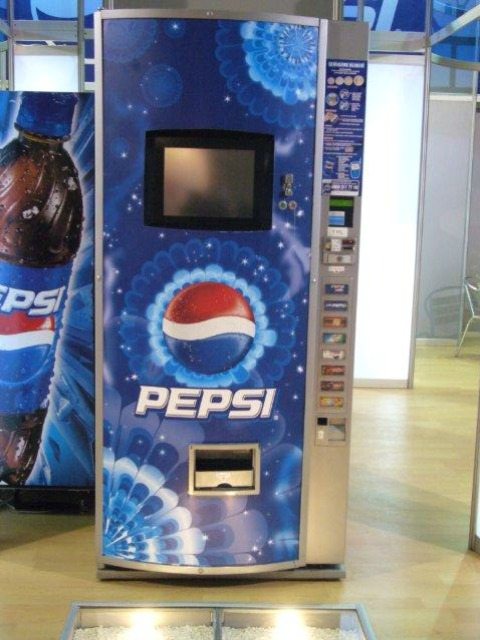 2007 — a touchscreen Akbil (İstanbulkart's predecessor) top-up machine.
-
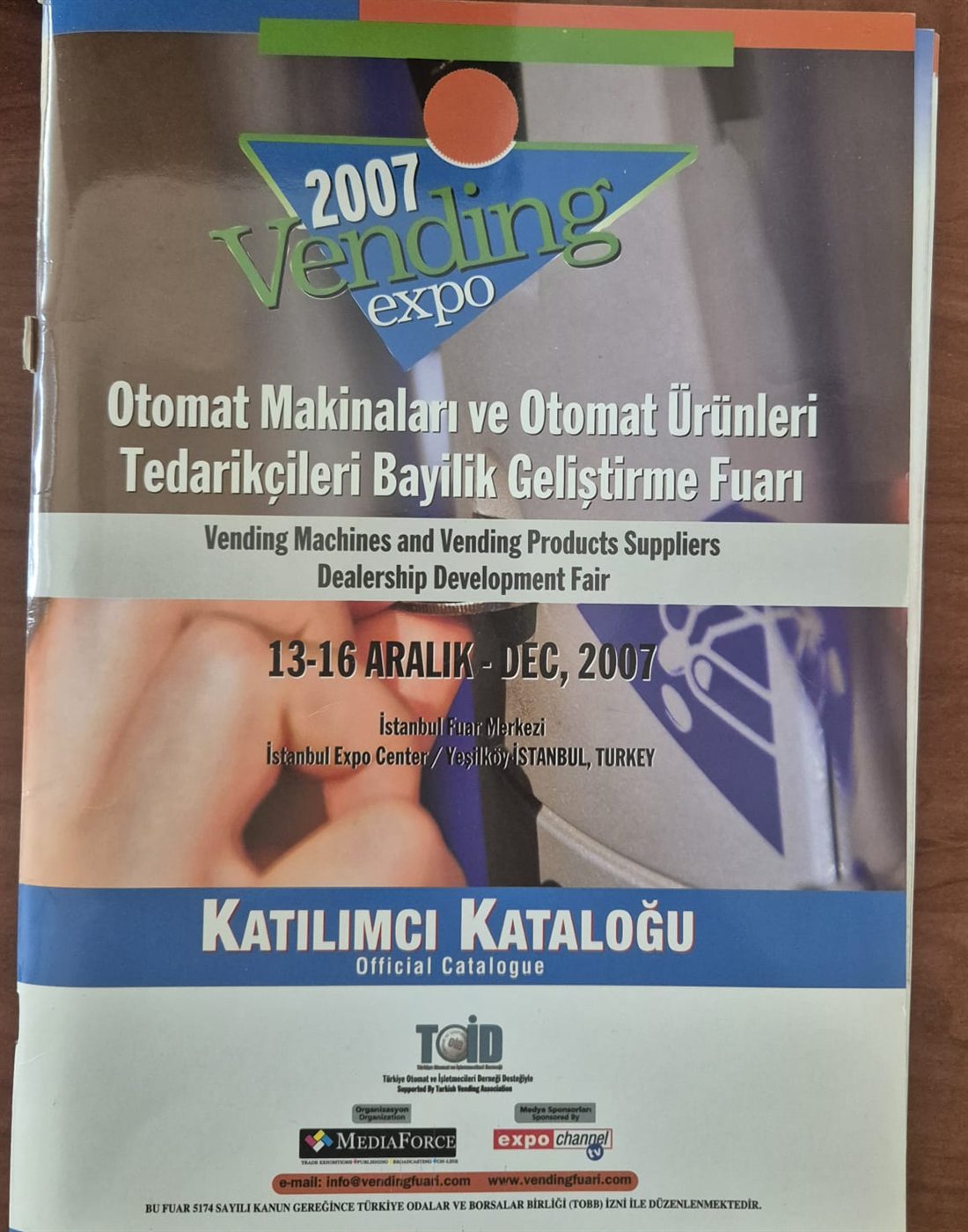 2007 Vending Expo — official catalogue cover (13–16 Dec 2007).
-
Aug 2009 — Bizim Market: Pepsi's director names DMSTech.
-
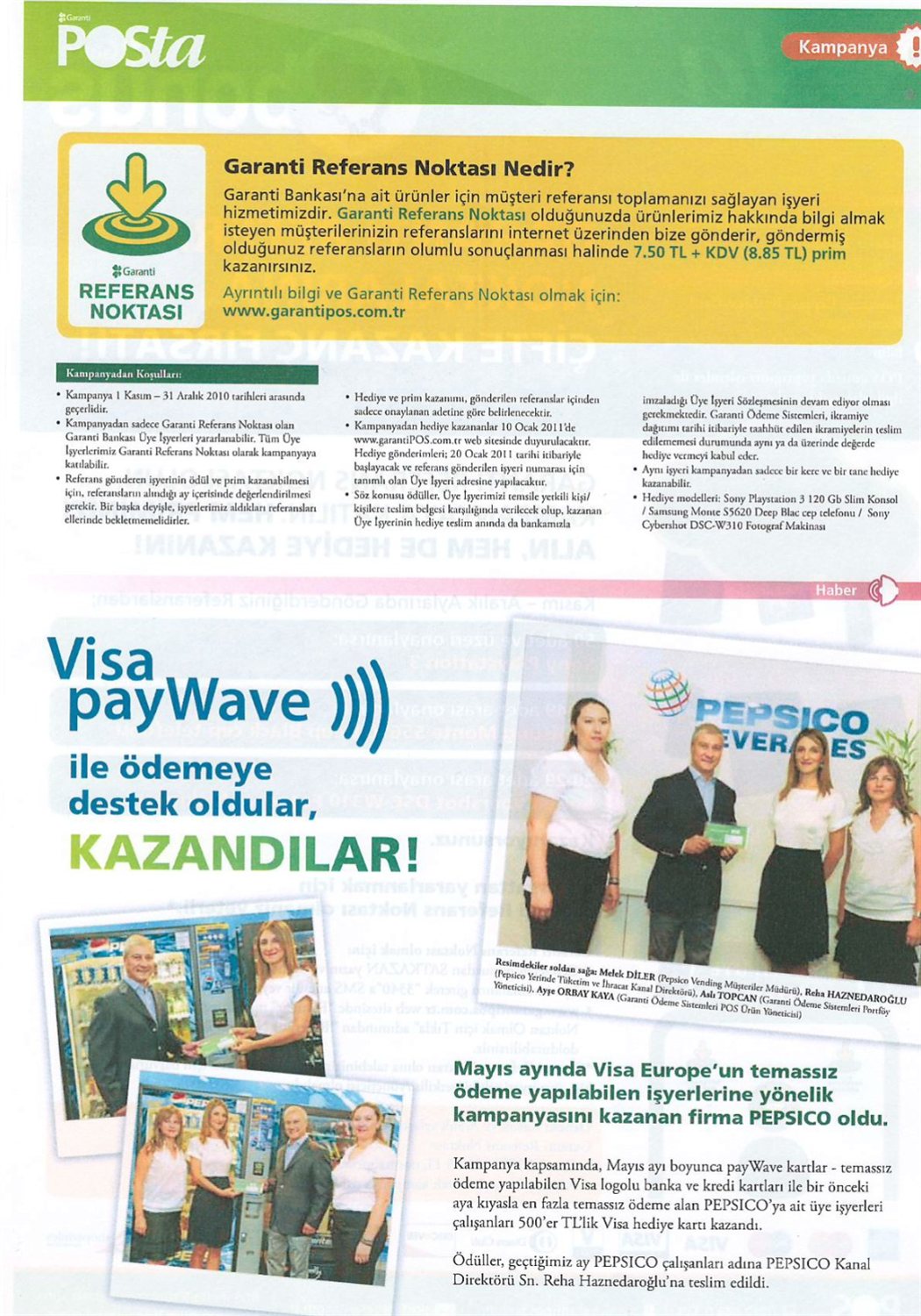 2010 — Garanti POSta: Pepsi wins Visa's May contactless campaign.
-
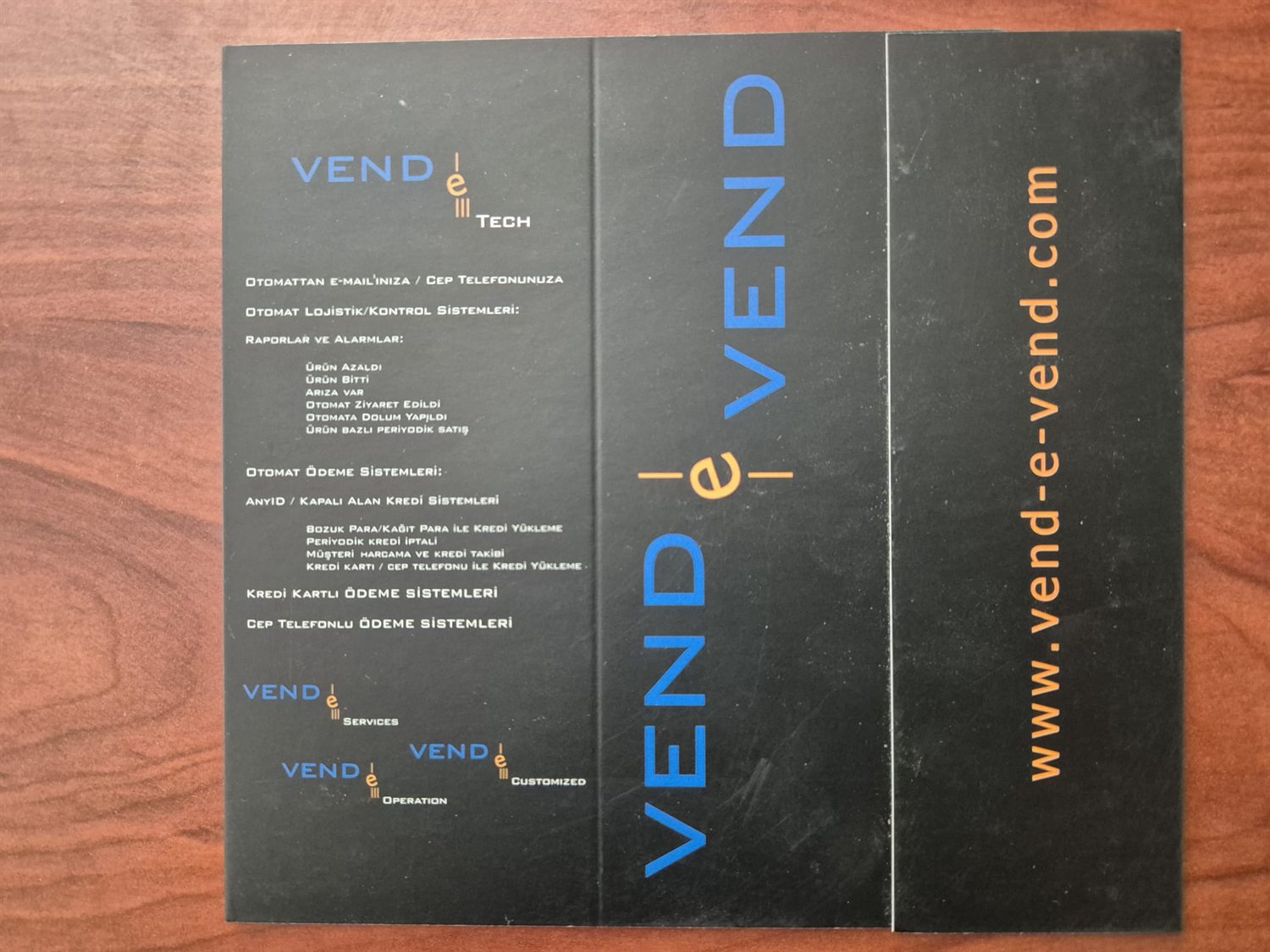 2009 — VEND-e-VEND promotional desk calendar (the tech panel).
-
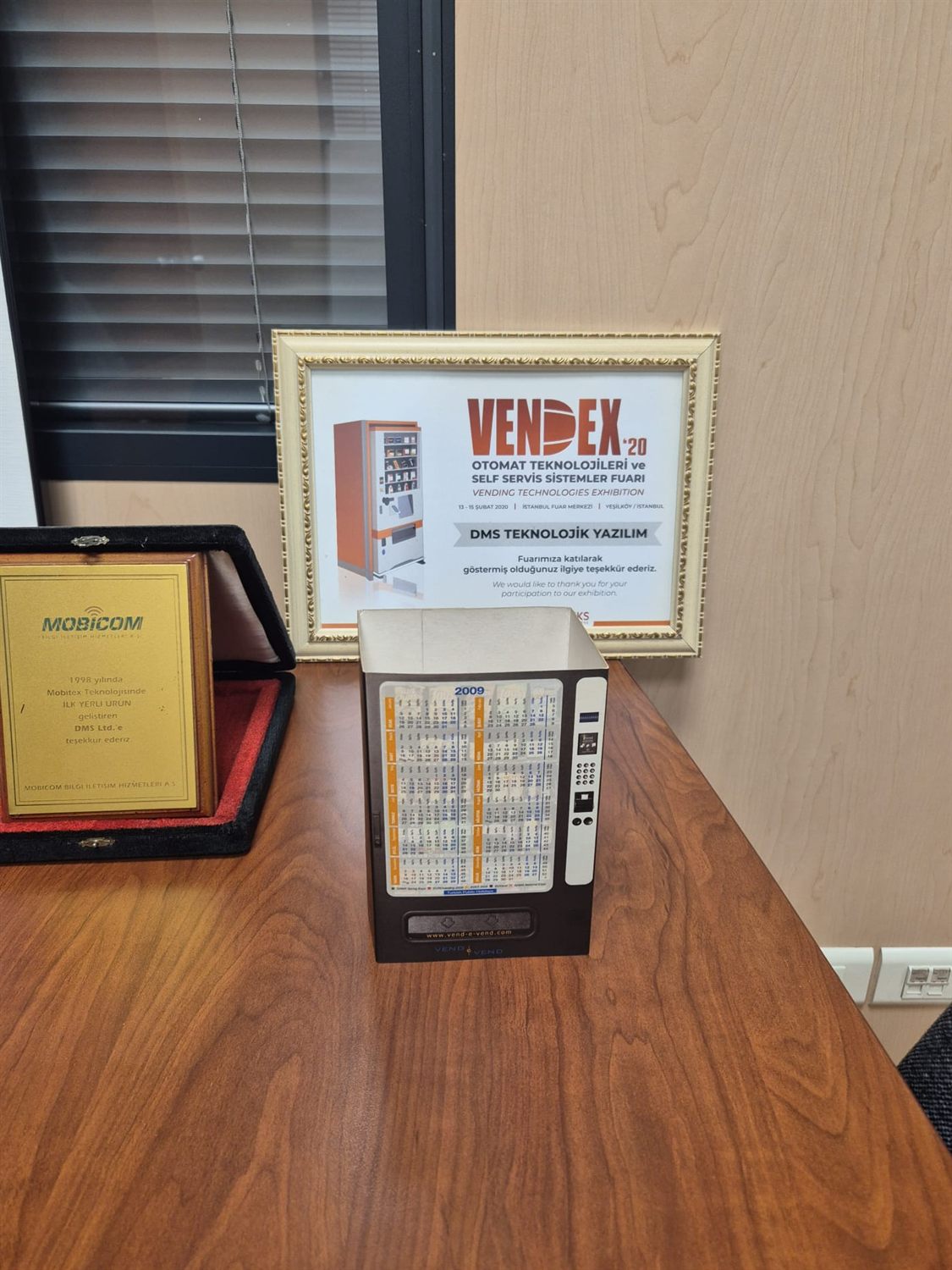 The plaque, the machine-shaped calendar, and the 2020 VENDEX certificate.
30 years
Three decades, in milestones
The same story on a rail: the payment problem taught us the machines; the machines became the platform.
Talk to the engineers, not a sales desk
Bring us a hard machine, an old estate or an integration nobody else will touch. That's the conversation we like having.